
Key Takeaways
- Low-impact exercise can help older adults maintain mobility, balance, flexibility, and strength while being gentler on the joints.
- Walking, chair exercises, tai chi, water aerobics, and stretching are approachable exercise options for many seniors.
- Consistent daily movement is often more beneficial than intense or highly structured workouts.
- Supportive habits like staying hydrated, wearing proper footwear, and starting slowly can help seniors exercise more safely.
- Family encouragement and shared activities can help older adults stay motivated and active at home.
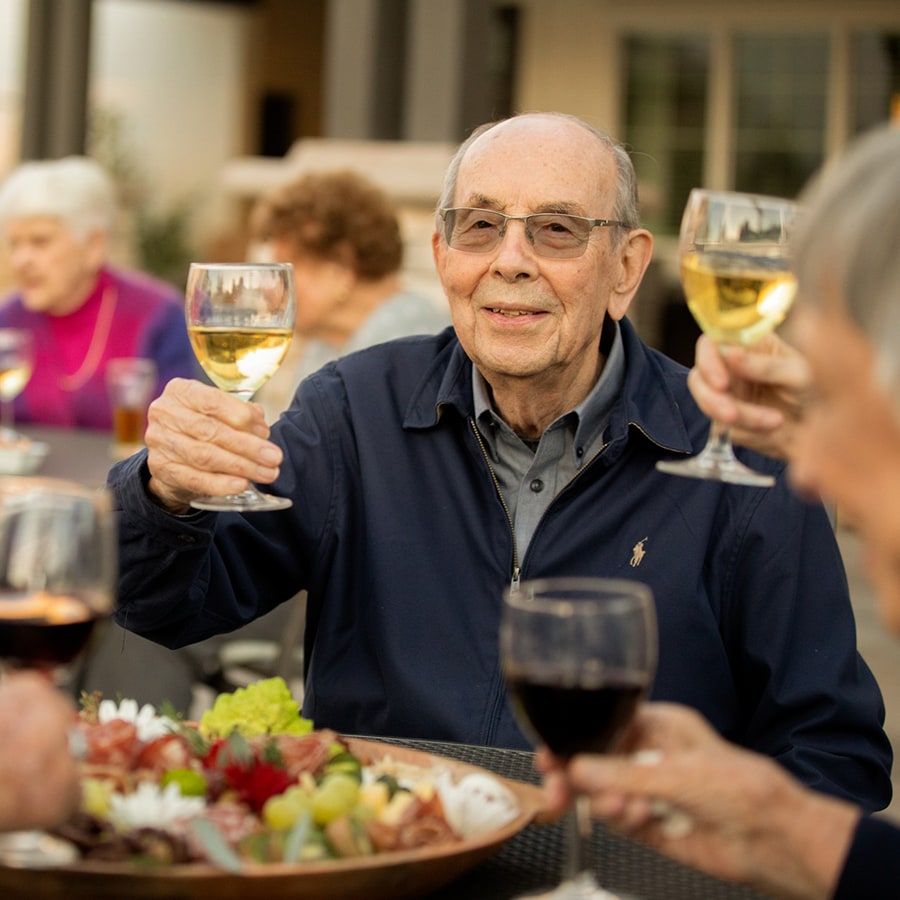
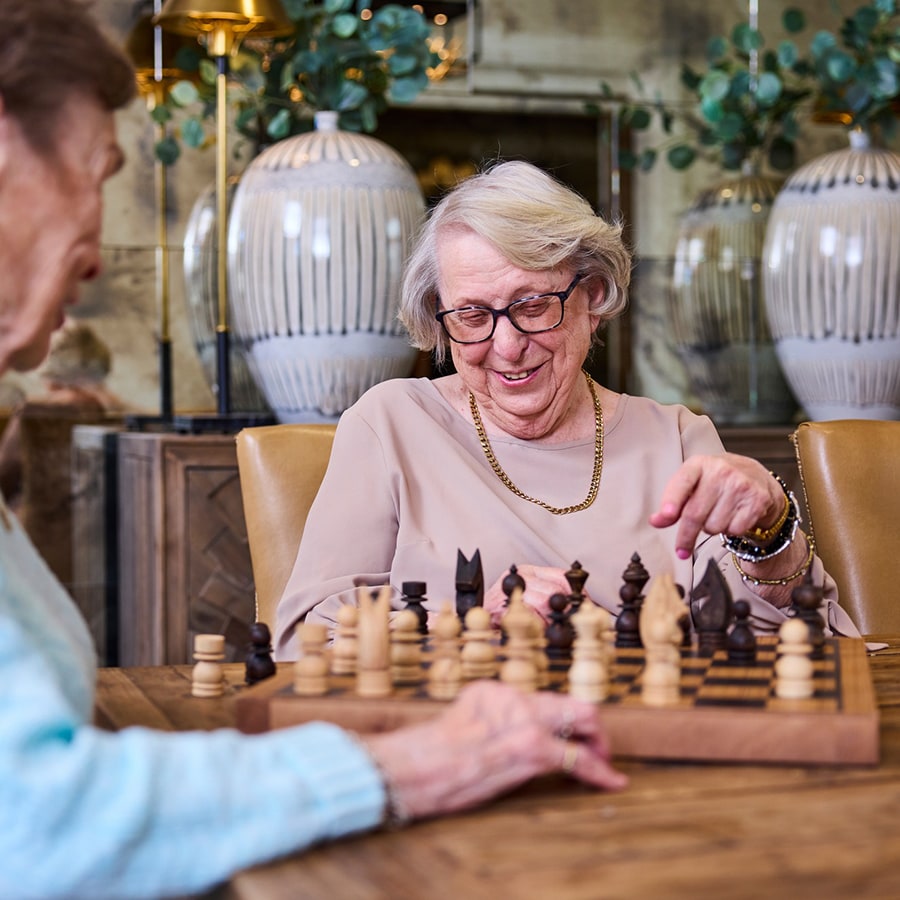
- Social connection and supportive environments often make exercise routines feel more enjoyable and sustainable.
Why Movement Matters as You Age
It’s common for older adults to become less active over time, especially when joint discomfort, balance concerns, or reduced energy start affecting daily routines. A loved one who once enjoyed walks, gardening, or outings may begin spending more time sitting or avoiding physical activity altogether. Family members often notice these changes first, and it often leads to questions about what kind of support your loved one actually needs.
Gentle movement can make a meaningful difference. Low-impact exercise helps support mobility, flexibility, balance, and everyday strength without placing unnecessary stress on the body. For many older adults, staying active also supports confidence, social connection, and overall well-being. Small, consistent routines often feel more approachable and sustainable than strenuous workouts or complicated fitness plans.
Top Low-Impact Exercises for Seniors
The best exercises for older adults are usually the ones that feel comfortable enough to maintain regularly. Low-impact activities can be adjusted for different mobility levels while still helping seniors stay active, steady, and engaged in daily life. And with National Senior Health & Fitness Day on May 27, there’s no better time to build healthy movement habits that feel realistic and sustainable.
Walking for Daily Movement
Walking remains one of the simplest and most effective ways for older adults to stay active. A short walk around the neighborhood, through a local park, or even indoors can help support circulation, balance, and endurance without feeling overly demanding. Walking with a friend or family member can also make the activity feel more social and enjoyable.
Chair Exercises for Strength and Stability
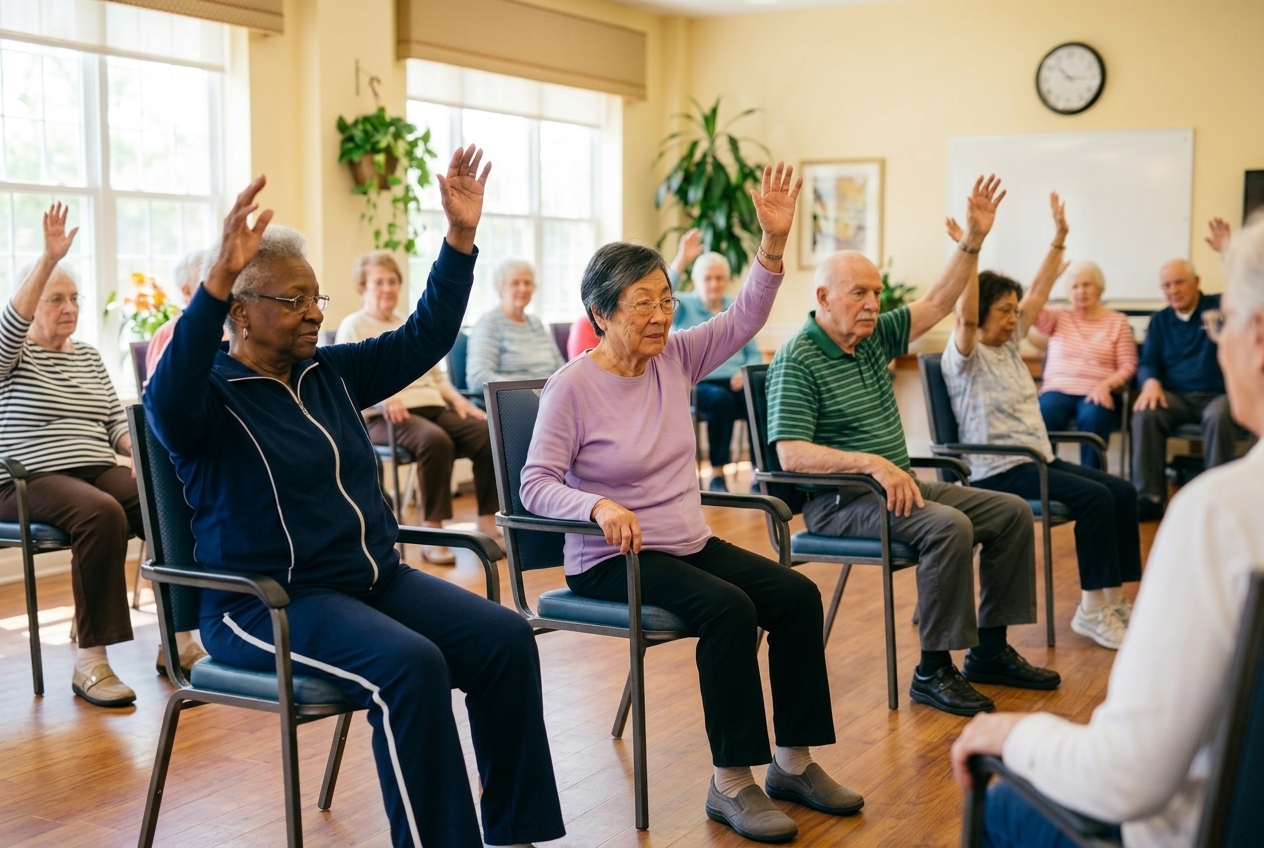
Chair exercises can help older adults build strength while feeling supported and steady. Seated leg lifts, arm raises, gentle twists, and sit-to-stand movements all encourage muscle engagement without requiring intense physical strain. These exercises are especially helpful for seniors who feel uncertain about standing workouts or have limited mobility.
Tai Chi for Balance and Coordination
Tai chi uses slow, controlled movements that encourage balance, coordination, and body awareness. Many older adults enjoy the calm, steady pace because it feels less intimidating than traditional exercise routines. The flowing movements can also help seniors feel more confident with posture and stability over time.
Water Aerobics for Joint-Friendly Exercise
Water aerobics offers gentle resistance while reducing pressure on the joints. The support of the water can make movement feel easier for older adults dealing with stiffness or discomfort in the knees, hips, or back. Many seniors appreciate that water-based exercise allows them to stay active without the impact that comes from harder surfaces.
Yoga and Stretching for Flexibility
Gentle yoga and stretching routines can help older adults maintain flexibility and ease tension throughout the body. Simple movements focused on posture, breathing, and mobility may help everyday activities feel more comfortable and manageable. Many stretches can be done seated or with light support, making them adaptable for different ability levels.
Simple Senior Exercise Tips for Staying Safe and Consistent
Exercise routines do not need to feel intense or complicated to be beneficial. In many cases, older adults are more likely to stay active when movement feels comfortable, manageable, and easy to build into everyday life. Consistency usually matters far more than pushing too hard.
A few simple habits can help seniors stay active more comfortably and safely. Encourage them to:
- Start slowly and gradually increase activity levels
- Choose supportive, non-slip footwear
- Stay hydrated throughout the day
- Take breaks when needed
- Focus on activities that feel enjoyable and realistic
- Pay attention to signs of pain, dizziness, or fatigue
Over time, steady routines often feel more natural than strict workout schedules. Gentle daily movement can become part of a healthy rhythm that supports both physical wellness and confidence.
How to Help an Older Loved One Stay Active at Home
Family support can play a major role in helping older adults stay active. Many seniors feel more motivated when exercise feels encouraging rather than overwhelming or overly structured. Small adjustments at home and positive reinforcement can help movement feel like a natural part of the day instead of another obligation.
Create Small Opportunities for Daily Movement
Not every activity needs to feel like formal exercise. Encouraging a loved one to take short walks, stretch during television breaks, or move around the house more frequently can help build gentle daily habits. Even a few extra minutes of movement throughout the day can add up over time. Smaller routines often feel more approachable and less intimidating than lengthy workouts.
Encourage Activities They Already Enjoy
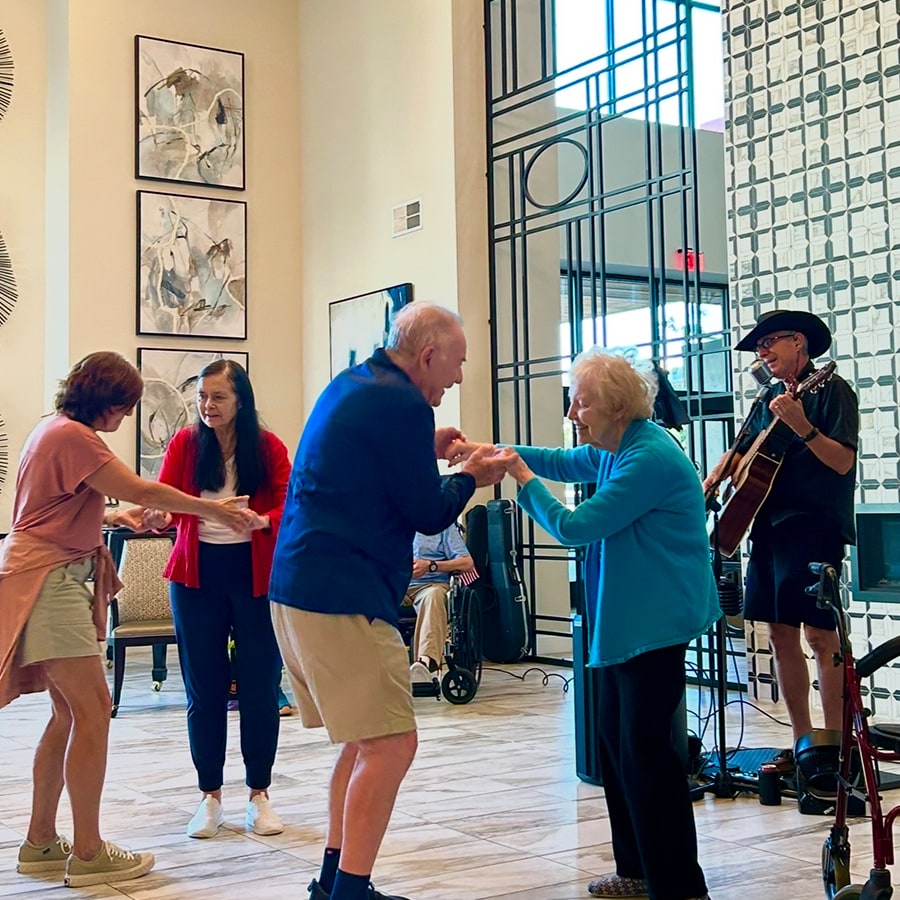
Older adults are often more likely to stay active when movement connects to something familiar and enjoyable. Gardening, dancing, walking through local shops, or spending time outdoors may feel far more engaging than a traditional exercise routine. Paying attention to existing hobbies and interests can help families encourage activity without making it feel forced. Familiar routines also tend to feel more comfortable and sustainable.
Make Exercise More Social and Supportive
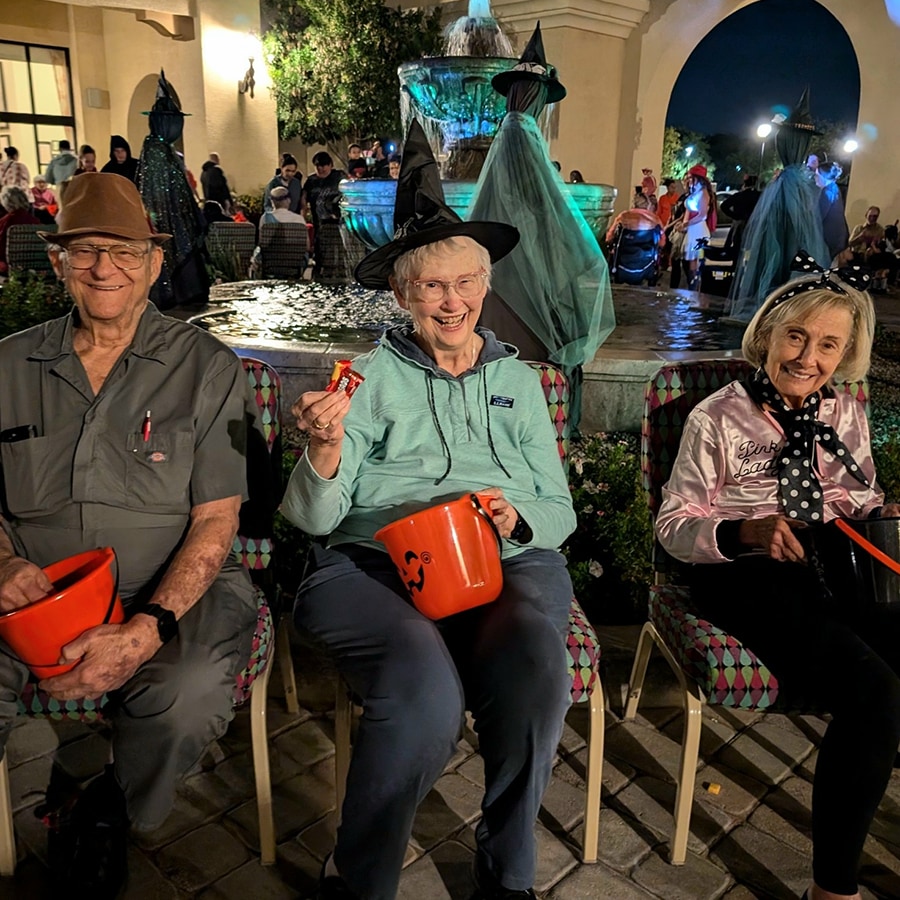
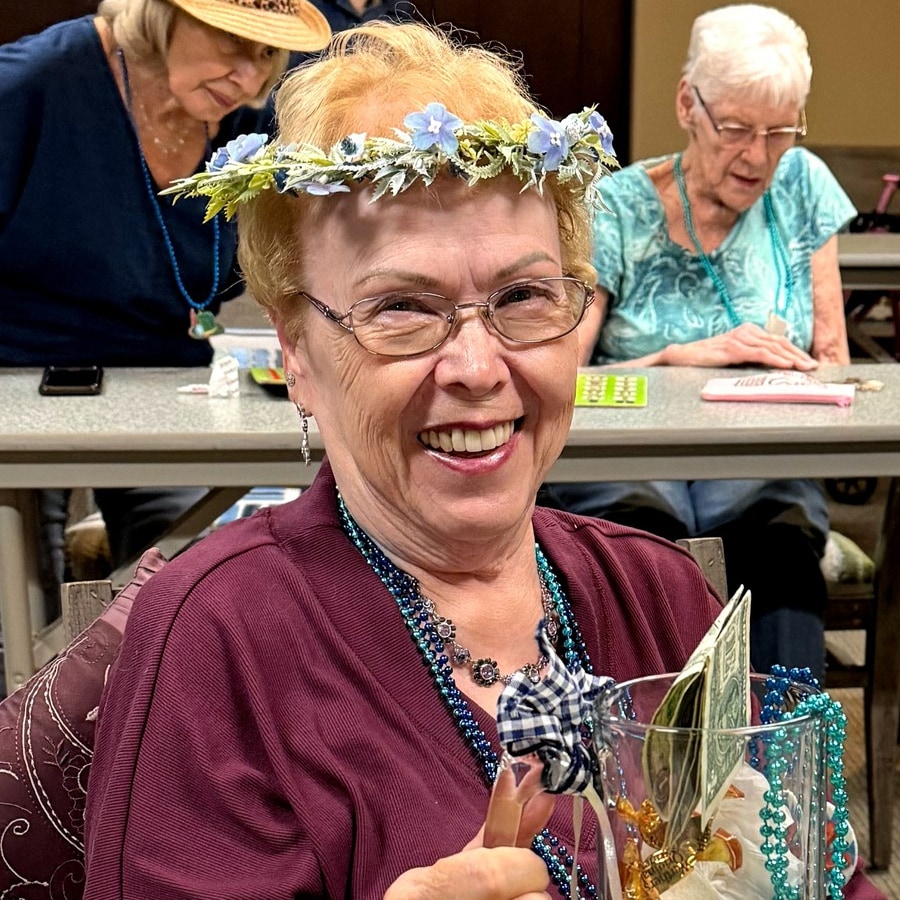
Movement often feels easier when it becomes a shared experience. Joining a loved one for walks, stretching together, or attending local fitness classes can provide encouragement while making the activity more enjoyable. Social interaction may also help older adults feel more motivated to stay consistent. Supportive environments can turn physical activity into something people genuinely look forward to.
A Supportive Environment Makes Active Living Natural
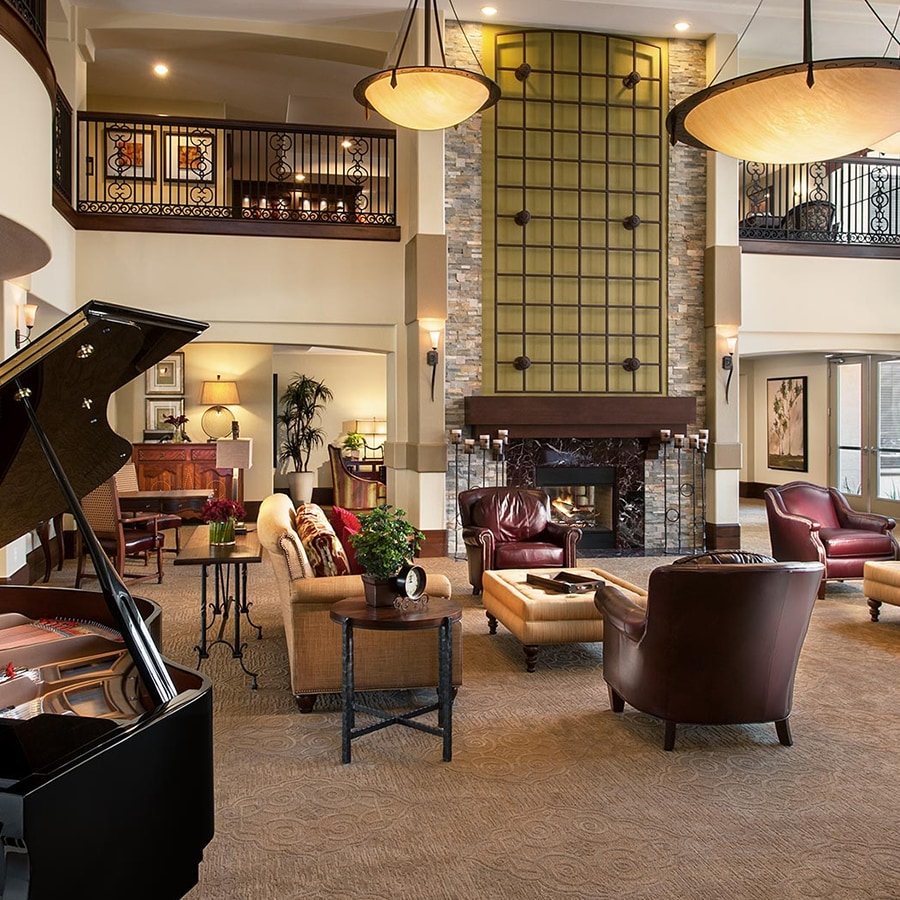
Staying active often becomes easier when movement is built into everyday life. Walkable spaces, wellness programs, social opportunities, and accessible fitness options can help older adults maintain healthy routines more comfortably. Encouragement from family members, caregivers, and community teams also plays an important role in helping seniors stay engaged and confident.
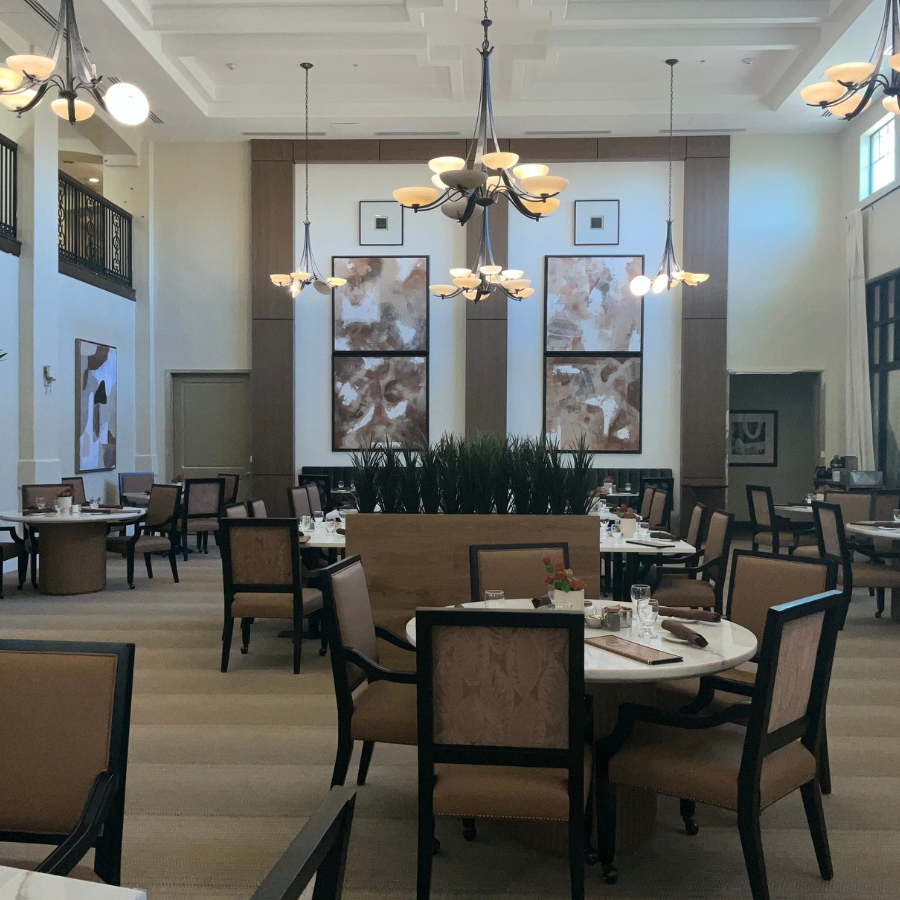
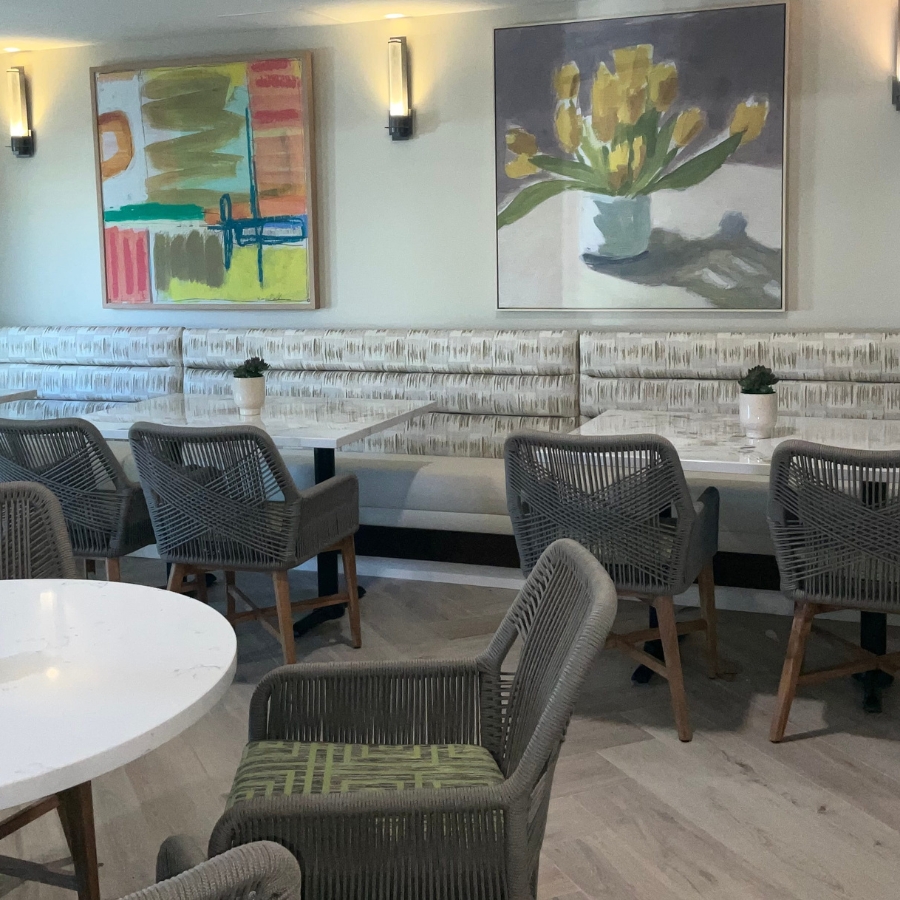
At Clearwater at Agritopia, residents have opportunities to stay active through thoughtful wellness experiences, inviting community spaces, and meaningful daily connection. The community’s approach focuses on supporting the whole person while helping residents continue enjoying the routines and experiences that matter most to them. Schedule a tour with us today to learn more about how our community supports active, engaged living for older adults.